Now accepting new patients  ·  Call us today: (706) 450-6602

Blue Ridge, Georgia

Exceptional Eye Care
in the Blue Ridge Mountains

Jordan J. Patton, M.D. — Board-certified ophthalmologist providing compassionate, comprehensive eye care to Fannin County and surrounding communities.

Only Full-Time Ophthalmologist in Fannin County
M.D. Board-Certified Physician & Surgeon
4+ Years Surgical Residency Training
AΩA Alpha Omega Alpha Honor Society
Our mission is to serve the people of Blue Ridge and the surrounding areas by providing easy access to high quality and compassionate eye care.

Comprehensive Eye Care Services

From routine medical exams to advanced cataract surgery, we provide complete ophthalmological care under one roof.

Medical Eye Exams

Thorough examinations evaluating the health of your eyes, vision acuity, and screening for early signs of disease. We treat the full spectrum of eye conditions.

Glaucoma Management

Comprehensive care including prescription medications, Selective Laser Trabeculoplasty (SLT), and Minimally Invasive Glaucoma Surgery (MIGS) — the latest options to preserve your vision.

Diabetic Eye Disease

Annual dilated exams to monitor diabetic retinopathy. Early detection prevents the vision loss that diabetes can silently cause over time.

Macular Degeneration

Monitoring and management of dry AMD — regular exams, AREDS2 supplement guidance, and early detection to protect your central vision.

Dry Eye & More

Treatment for dry eye, pterygium, and many other medical eye conditions. We're equipped to handle a wide range of complex ocular diseases.

Advanced Cataract Surgery

Dr. Patton combines surgical expertise with cutting-edge technology to deliver highly personalized and precise vision outcomes — right here in Blue Ridge.
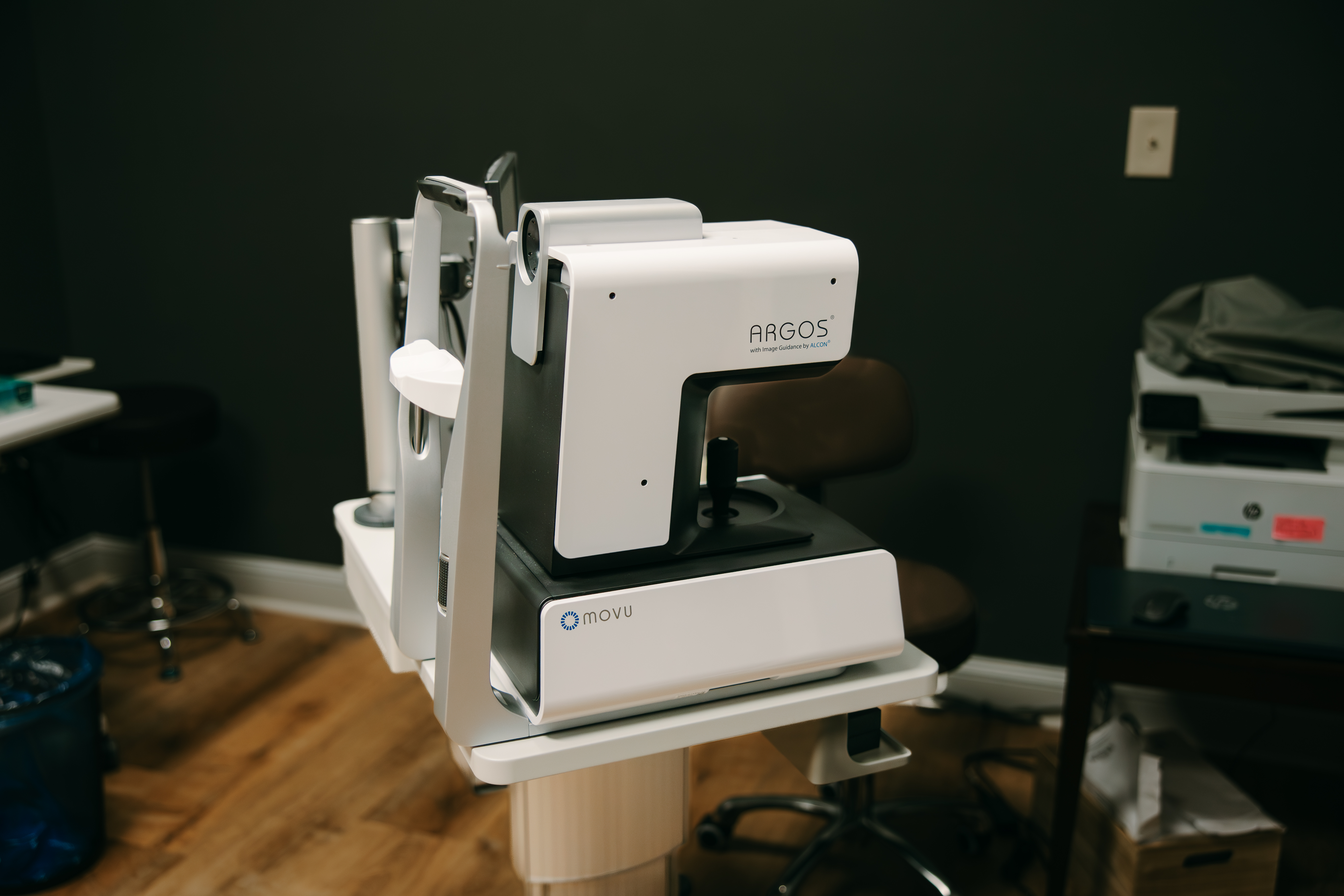
Argos® Biometer by Alcon
Precision Technology

Argos® Biometer

Before surgery, Dr. Patton uses the Argos® Biometer to take highly accurate measurements of your eye. These precise measurements are critical for selecting the ideal intraocular lens power — ensuring the best possible visual outcome tailored to your eye's unique anatomy.
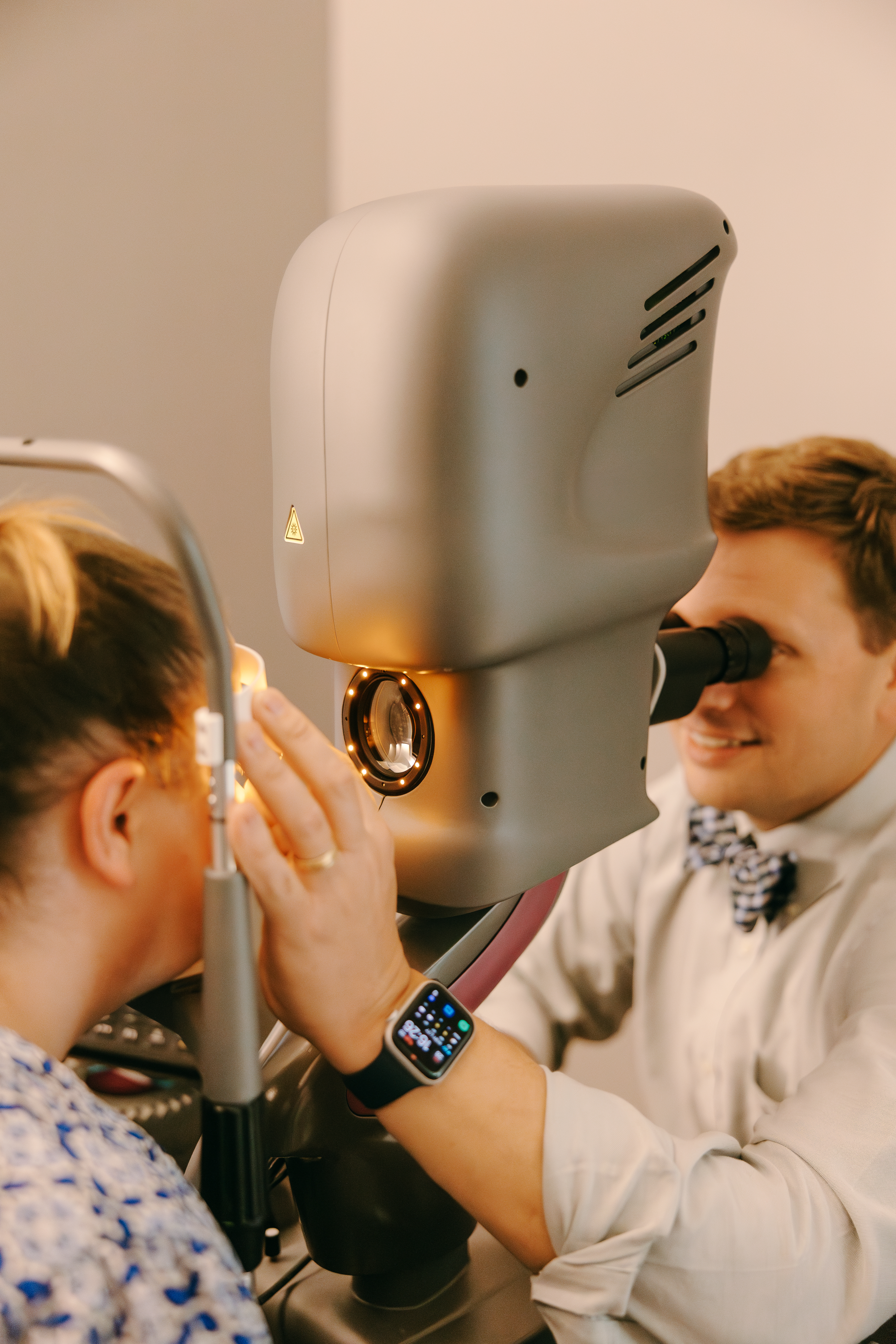
RxSight® Light Adjustable Lens light treatment
Premium Lens Technology

RxSight® Light Adjustable Lens™

The Light Adjustable Lens (LAL) is the only IOL that can be customized after cataract surgery. Using UV light treatments in the office, Dr. Patton fine-tunes your vision based on how your eye actually healed — allowing you to optimize and approve your vision before it's permanently locked in. No other lens offers this level of personalization.

A Full Range of Premium Intraocular Lenses

Every patient's vision goals are different. Dr. Patton offers a comprehensive selection of premium IOLs — from monofocal lenses for distance clarity to multifocal and extended depth-of-focus lenses for reduced dependence on glasses — so you can choose the outcome that fits your lifestyle.

Call to Schedule ›
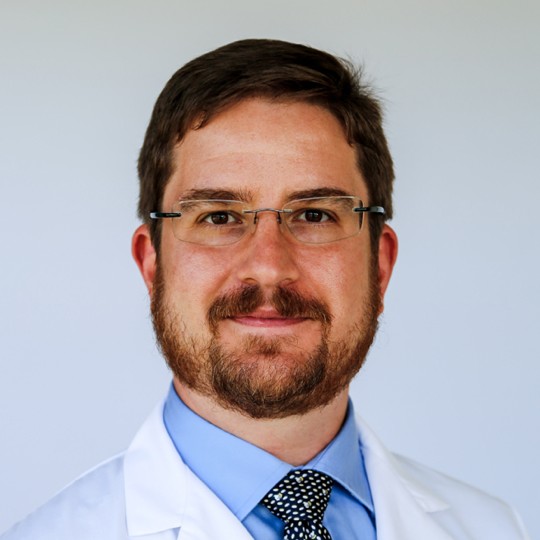
Dr. Jordan J. Patton, M.D.
AΩA Honor Society

Jordan J. Patton, M.D.

Ophthalmologist & Surgeon — Born and raised in Georgia, trained at the Medical College of Georgia, serving Blue Ridge with purpose.

Dr. Patton's calling to ophthalmology began through medical mission trips to Jamaica, where he discovered the transformative impact of restoring people's vision. He graduated near the top of his class from the Medical College of Georgia and completed a four-year surgical residency in ophthalmology in Augusta before relocating to Blue Ridge — his wife Elizabeth's hometown.

As the only ophthalmologist practicing full-time in Fannin County, Dr. Patton is committed to filling a critical need for specialized eye care close to home. He sees each patient as an opportunity to serve with skill and compassion.

🎓 Medical College of Georgia 🏥 Ophthalmology Residency, Augusta ⭐ Alpha Omega Alpha Member 🔪 Cataract Surgery Specialist 📍 Fannin County's Only Full-Time Ophthalmologist

Scott Cooper, PA-C

Scott Cooper, PA-C

Scott Cooper is a Physician Assistant who moved to North Georgia in 2025 to be closer to family, after spending 21 years in Alaska with his wife. They've enjoyed settling into the climate and community of the Georgia mountains.

Scott's interest in ophthalmology began in 2000, when he started working at a lab making ophthalmic lenses. That experience led him to a position at an ophthalmic sub-specialty clinic in Anchorage, Alaska, where he worked until enrolling in PA school in 2016.

Scott earned a degree from the University of Alaska Anchorage and trained as a Physician Assistant through the MEDEX Northwest program at the University of Washington School of Medicine, graduating magna cum laude. During his training he served as president of the Alaska Physician Assistant Students Association, and afterward returned to MEDEX as a lecturer.

🎓 Univ. of Alaska Anchorage 🏥 MEDEX Northwest / Univ. of Washington ⭐ Magna Cum Laude 👁️ Ophthalmology since 2000

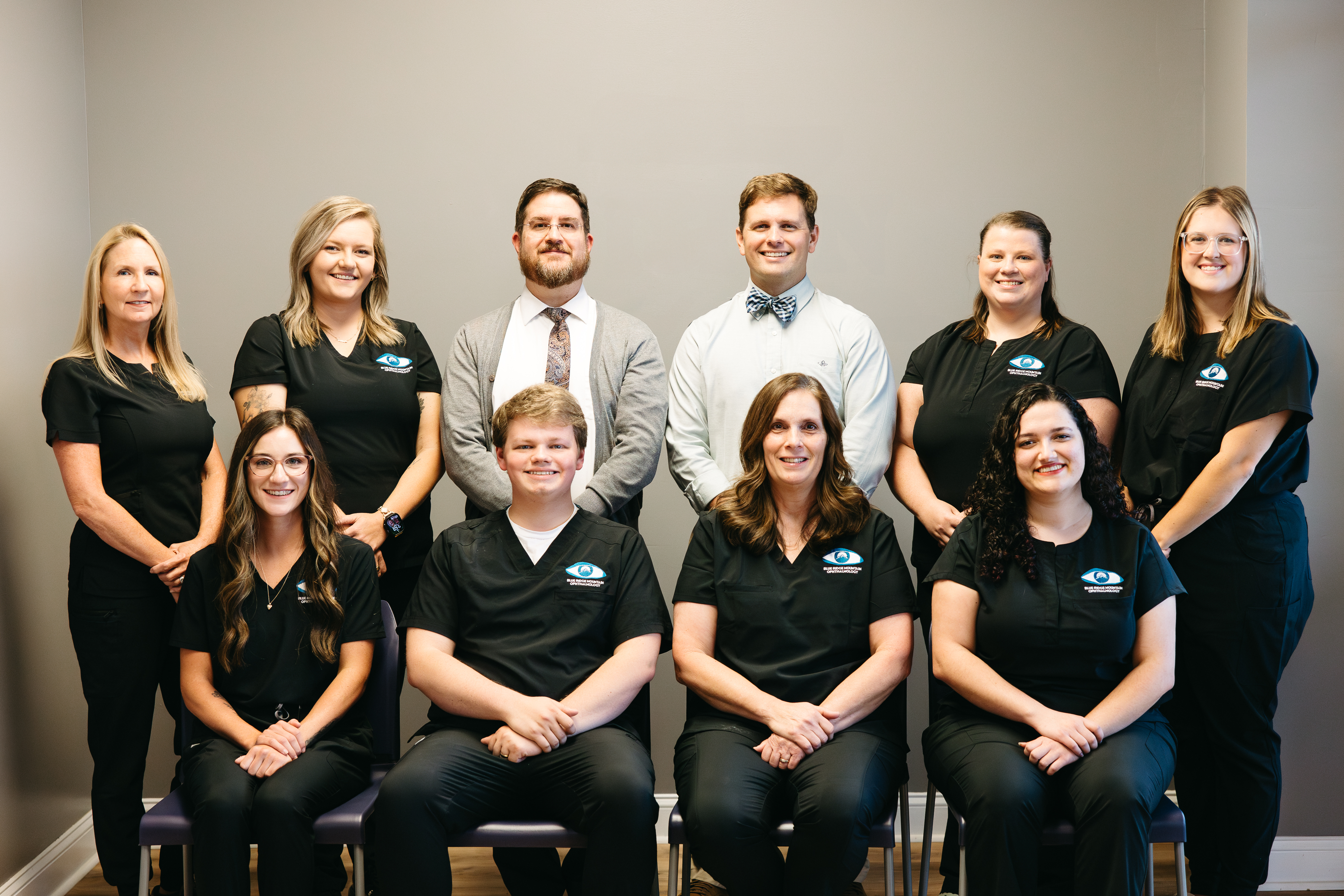
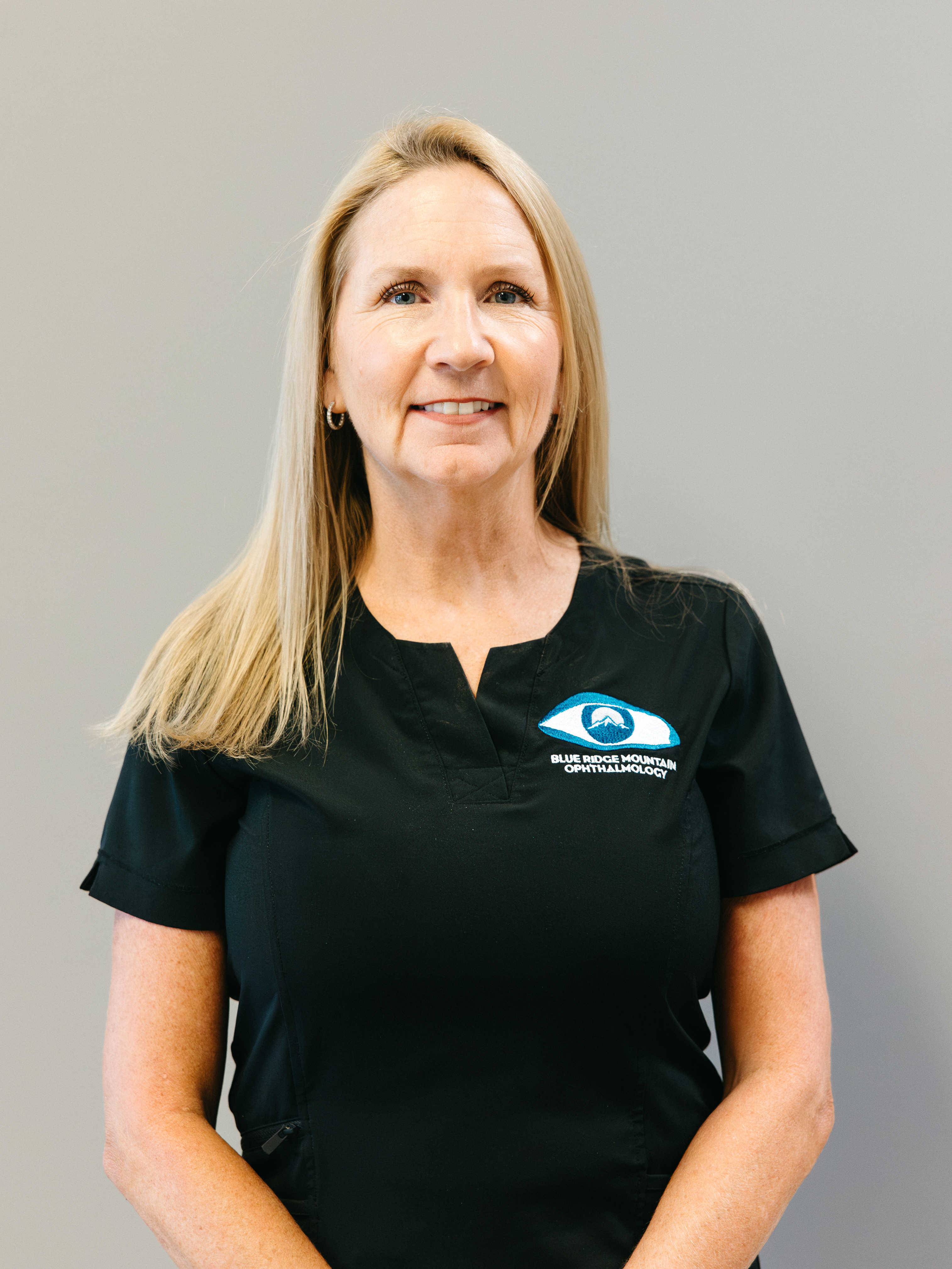
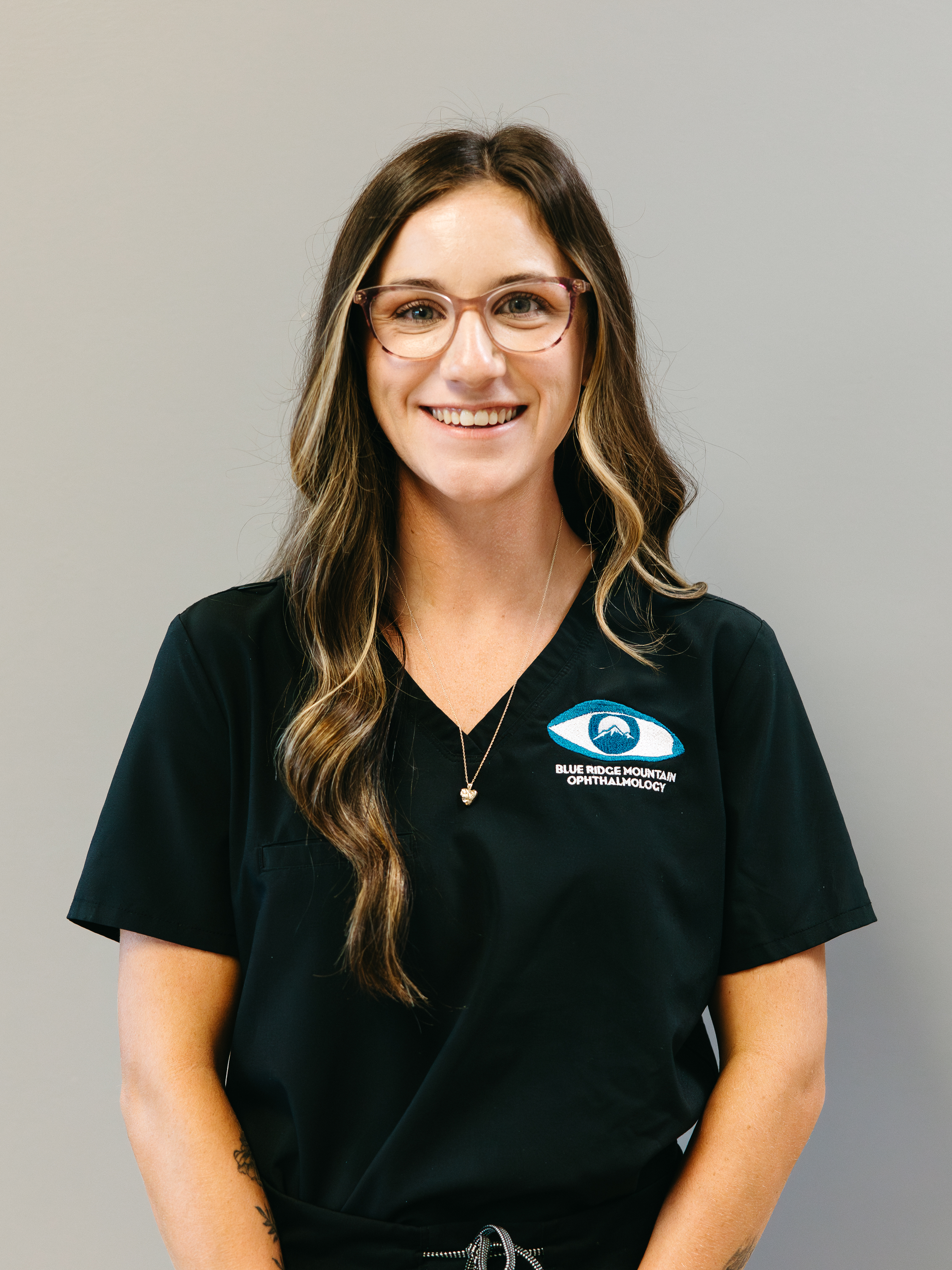
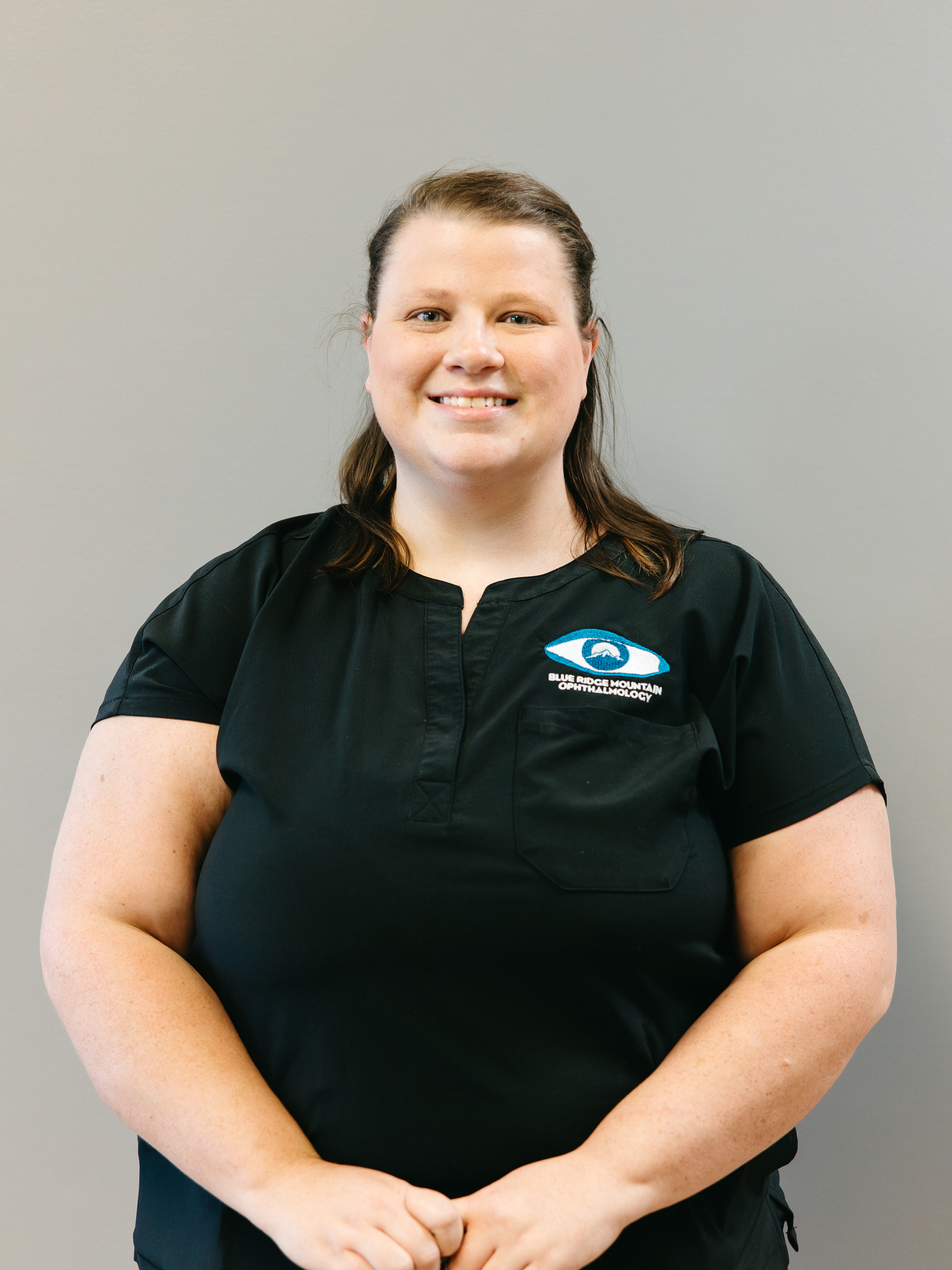
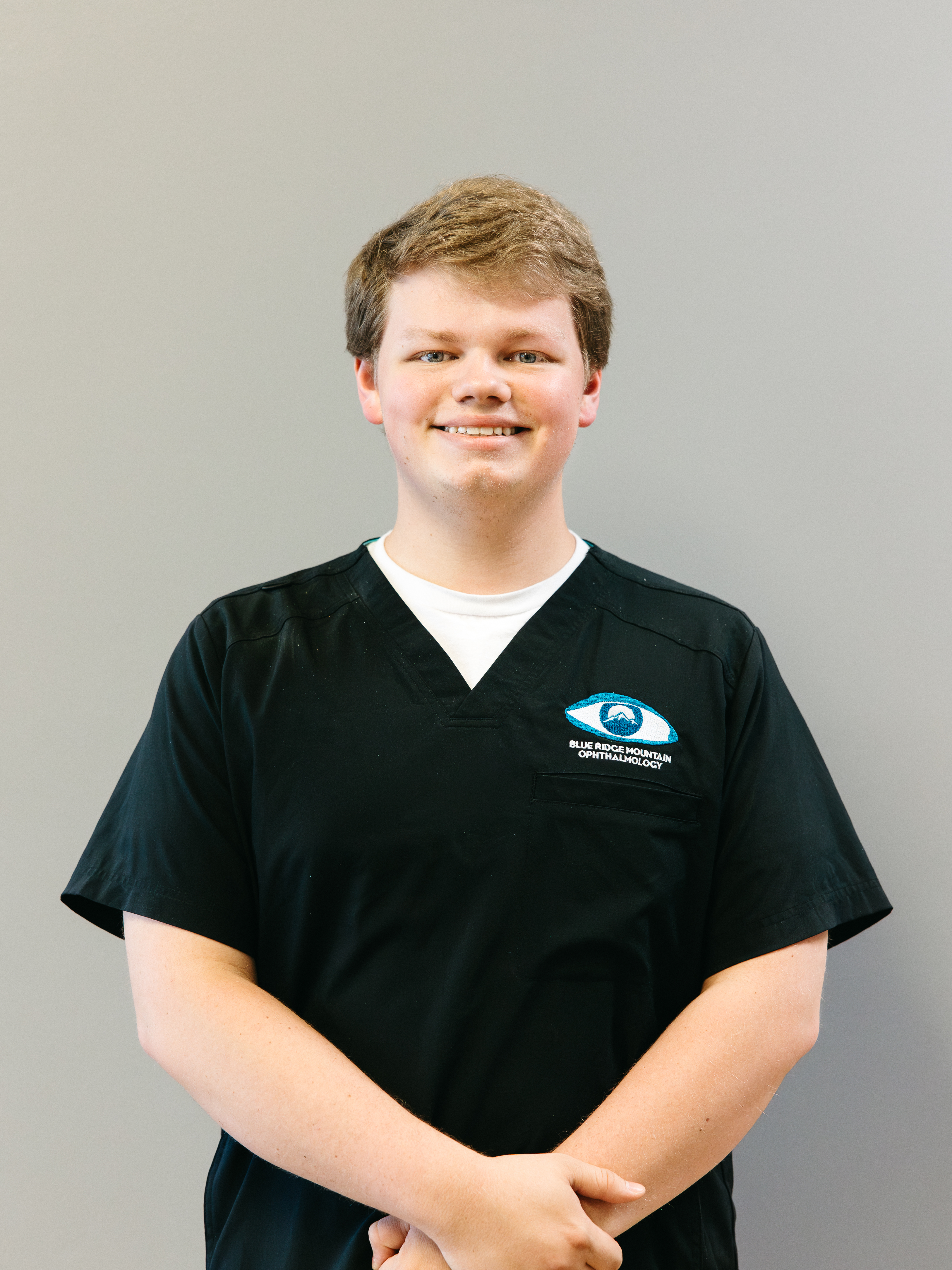
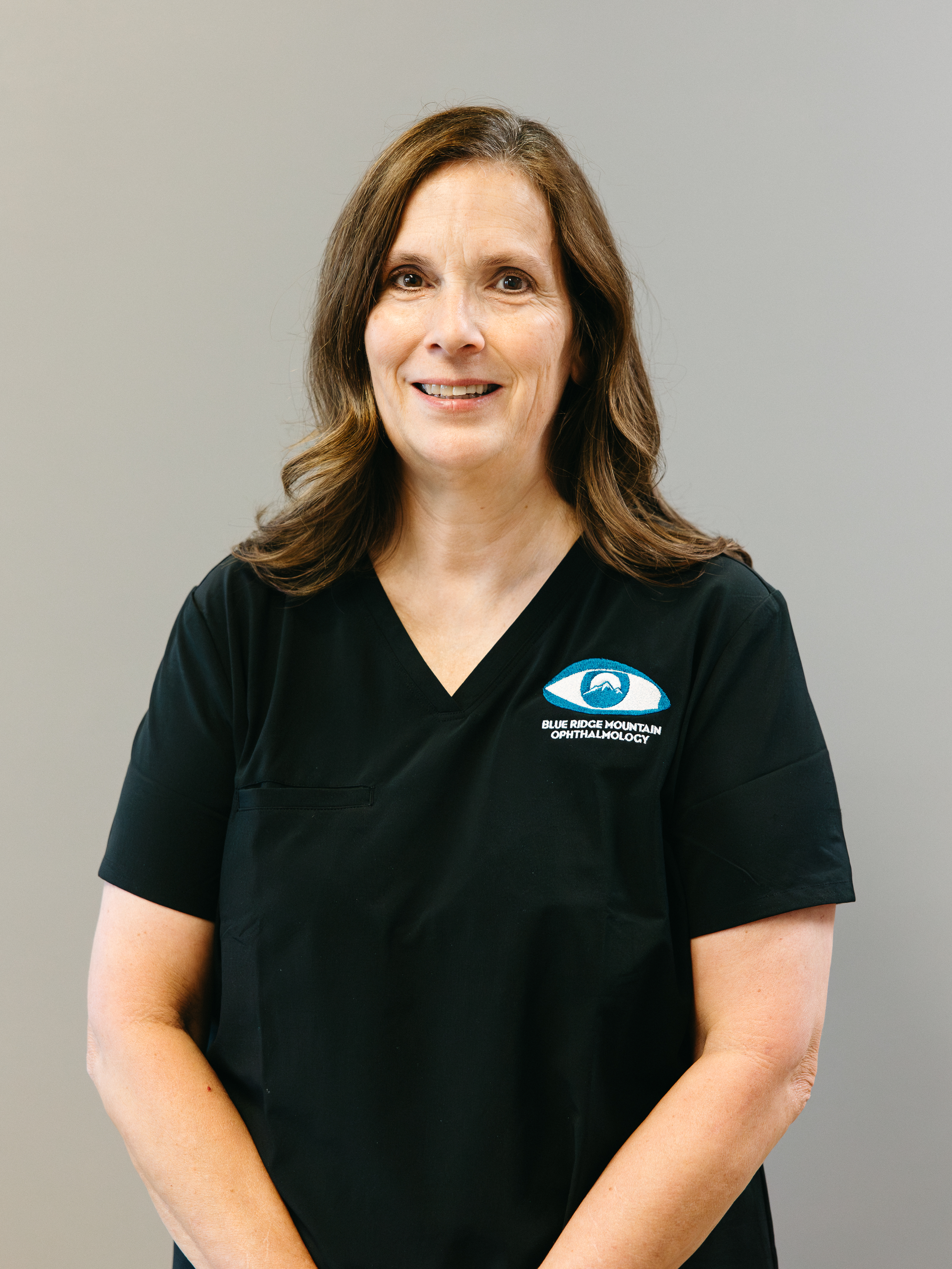
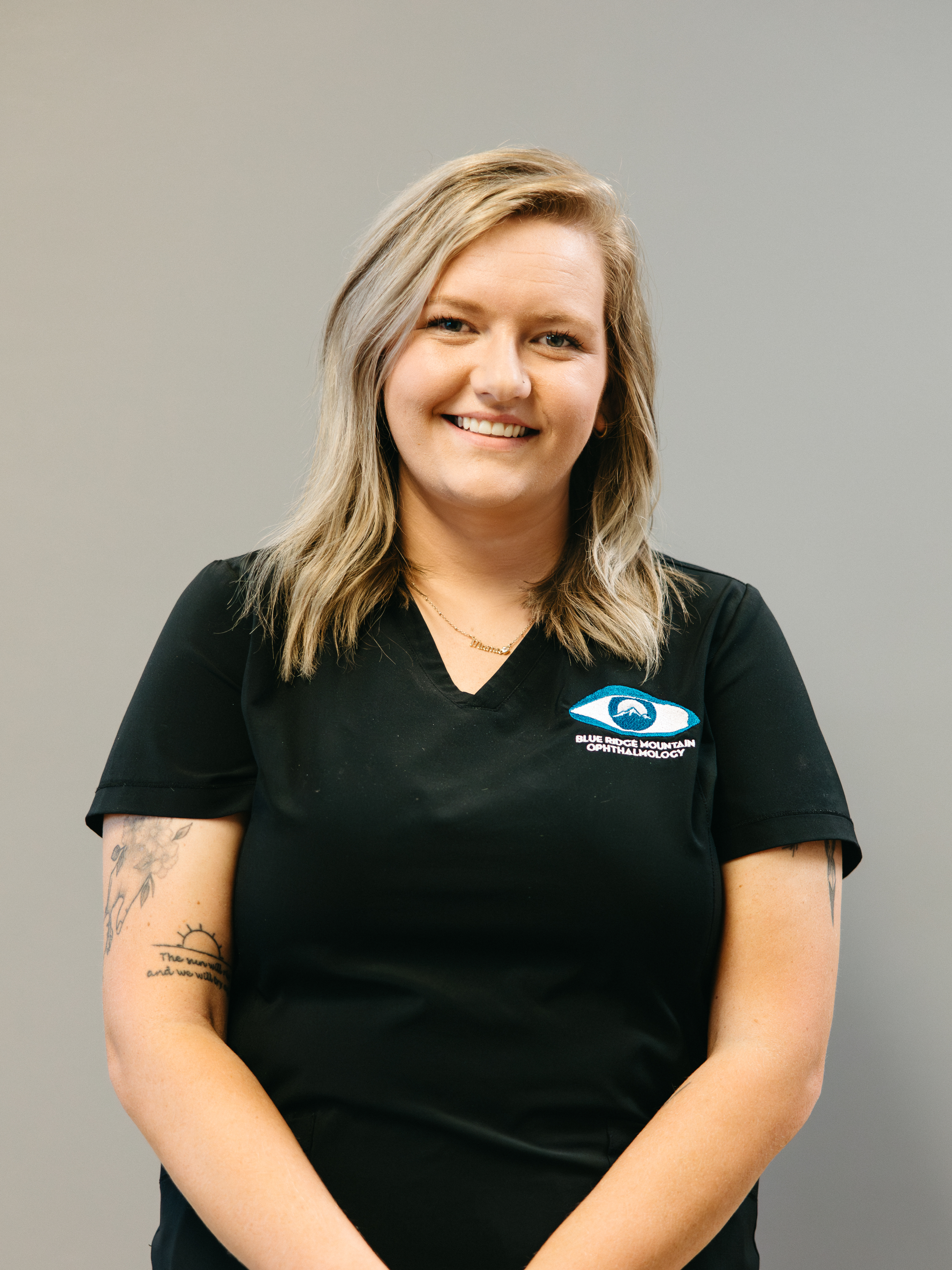
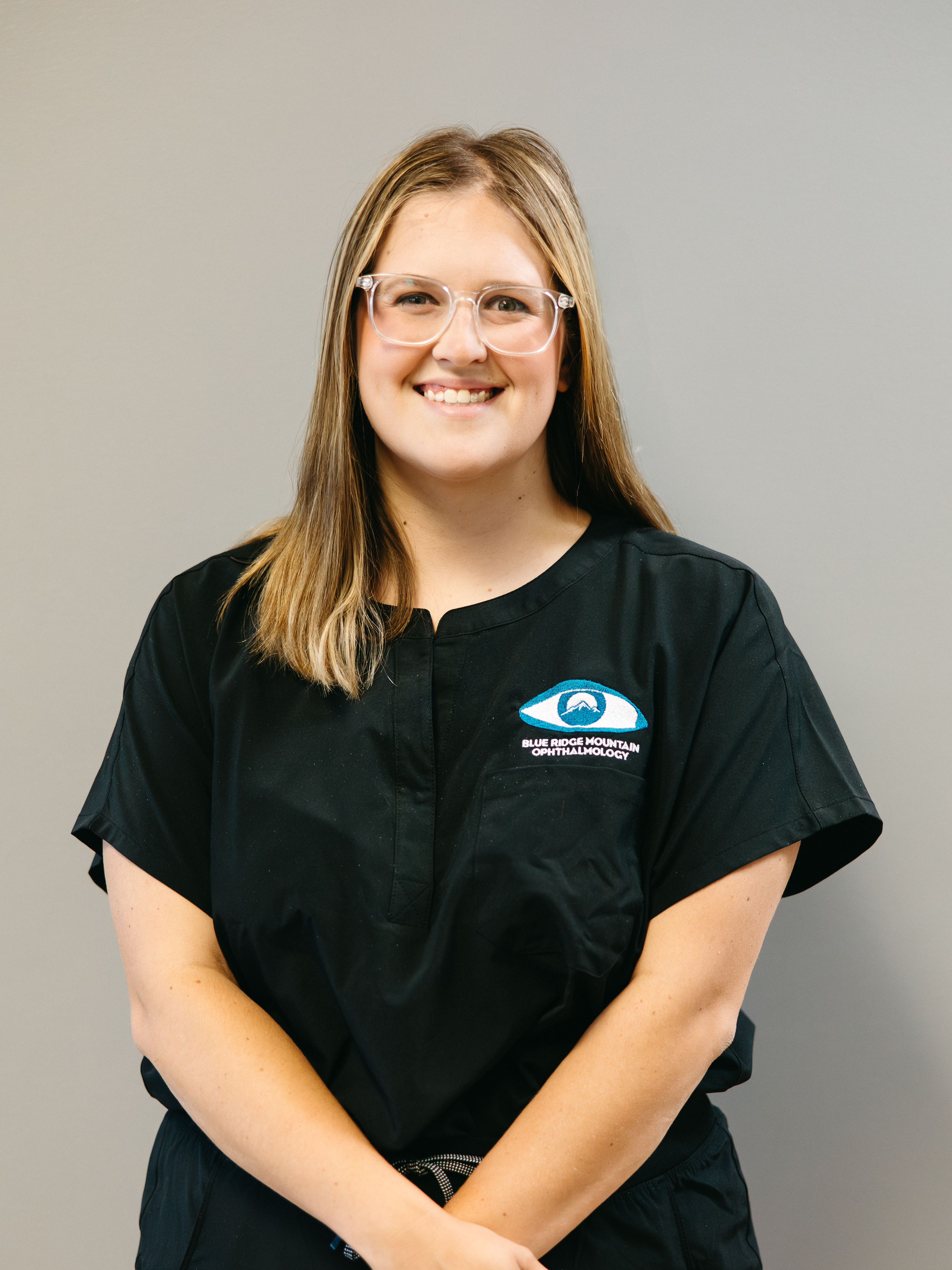
Meet the Staff

The dedicated team behind your care at Blue Ridge Mountain Ophthalmology.

Leadership

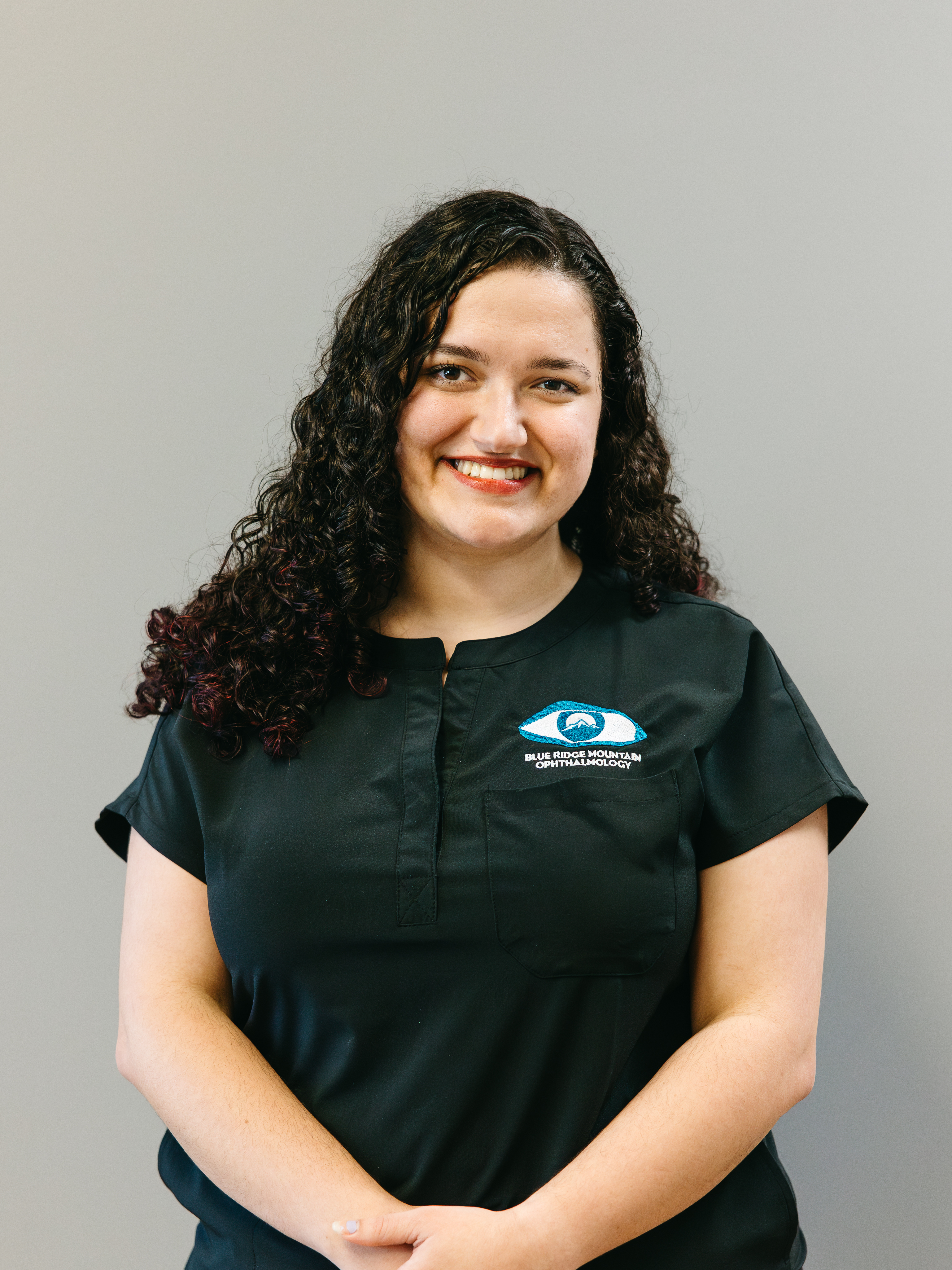
Melissa Yates

Surgical Coordinator

Hannah Davenport

Lead Tech
Ophthalmic Technicians

Cassie Petty

Ophthalmic Tech HIPAA Compliance Officer

Joy Stimpson

Ophthalmic Tech

Evan Dailey

Ophthalmic Tech IT
Office Staff

Tara Noyes

Office Staff

Lisa Dent

Office Staff

Ashley Cook

Office Staff

Kristin Franklin

Office Staff

Natalie Mion

Administrative Assistant

Frequently Asked Questions

An ophthalmologist is a medical doctor (M.D. or D.O.) who specializes in the diagnosis and treatment of eye disease and vision conditions. After 4 years of medical school, ophthalmologists complete at least 4 additional years of hospital-based residency training in eye care. This makes them uniquely qualified to provide comprehensive eye care — from prescribing corrective lenses to performing complex surgeries such as cataract removal, glaucoma procedures, and retinal surgery. Optometrists (O.D.) provide primary vision care and treat some eye conditions but are not physicians. Opticians fill eyeglass prescriptions but do not examine eyes or treat disease. Source: American Academy of OphthalmologySource: National Eye Institute
A cataract is a clouding of the eye's natural lens, which sits behind the iris and pupil. The lens works like a camera lens — it focuses light onto the retina. When proteins in the lens break down and clump together, the lens becomes cloudy and light cannot pass through clearly. Most cataracts develop slowly with age, typically becoming noticeable after age 60. Common symptoms include blurry or dim vision, increased glare or halos around lights at night, faded colors, and frequent changes in eyeglass prescriptions. Cataracts cannot be corrected with glasses once significant — the only effective treatment is surgery, during which the cloudy lens is removed and replaced with a clear artificial intraocular lens (IOL). Cataract surgery is one of the safest and most commonly performed procedures in medicine. Source: American Academy of OphthalmologySource: National Eye InstituteSource: Mayo Clinic
Glaucoma is a group of eye diseases that damage the optic nerve — the cable that carries visual information from the eye to the brain. It is most often associated with elevated pressure inside the eye (intraocular pressure), which occurs when fluid in the eye doesn't drain properly. The most common form, open-angle glaucoma, has no pain or early symptoms. Vision loss begins at the edges (peripheral vision) and can progress to blindness if untreated. Because there are no warning signs in the early stages, roughly half of people with glaucoma don't know they have it. There is no cure, but vision loss can be halted with treatment — typically prescription eye drops to lower eye pressure, laser treatment, or surgery. Any vision already lost cannot be restored, which is why regular eye exams for early detection are critical. Source: National Eye InstituteSource: American Academy of OphthalmologySource: Mayo Clinic
Age-related macular degeneration (AMD) is a disease of the macula — the small central area of the retina responsible for sharp, detailed vision needed for reading, driving, and recognizing faces. It is a leading cause of vision loss in adults age 50 and older. There are two forms: Dry AMD (the most common, affecting ~80% of cases) occurs when the macula gradually thins with age and tiny protein deposits called drusen accumulate beneath the retina. Early dry AMD often has no symptoms; as it progresses, central vision may become blurry or dim. Wet AMD is less common but more serious — abnormal blood vessels grow under the retina and leak fluid, causing rapid, severe central vision loss. Wet AMD can develop from any stage of dry AMD. Treatments for wet AMD include anti-VEGF injections to stop abnormal vessel growth. For dry AMD, certain vitamin supplements (AREDS2 formula) can slow progression in intermediate and advanced cases. Regular monitoring is essential. Source: National Eye InstituteSource: American Academy of Ophthalmology
Diabetes can damage the tiny blood vessels in the retina, causing a condition called diabetic retinopathy — the leading cause of vision loss among working-age adults. High blood sugar weakens and damages these vessels; they can leak, swell, or grow abnormally, progressively harming the retina. In the early stages, diabetic retinopathy has no symptoms at all — you can be losing vision without knowing it. A comprehensive dilated eye exam allows your ophthalmologist to detect these changes before symptoms develop, when treatment is most effective. The CDC estimates that routine screening could prevent or delay up to 90% of diabetes-related vision loss. People with Type 1 diabetes should be screened within 5 years of diagnosis; those with Type 2 diabetes should be screened at the time of diagnosis. Annual exams are recommended for all diabetic patients. Source: National Eye InstituteSource: American Diabetes Association

Dry Eye Syndrome is a problem with the tear film on the surface of your eye. Normally, our eyes are constantly coated by a thin tear film that protects them from air exposure and is important for clear vision. Dry Eye Syndrome refers to a breakdown in this tear film, leading to symptoms of irritation and decreased vision.


Symptoms include burning, stinging, and itching. Tearing is also a symptom of dry eye — the irritation triggers a reflex response (similar to getting something in your eye). Dry eyes can also cause blurriness and fluctuations in vision.


Treatment includes:


1. Artificial Tears — Good brands include Refresh, Systane, Blink, and Retaine. Avoid Visine and other redness-relief drops, and avoid generic or store-brand drops due to safety concerns linked to serious eye infections. Use up to 4x/day. If you need them more frequently, switch to a preservative-free artificial tear.


2. Warm Compresses — Apply heat to your eyelids twice daily for 5 minutes. This opens the oil glands along the edge of your eyelids and helps your natural tear film. A warm wet washcloth doesn't hold heat long enough — use a heat pack warmed in the microwave. A sock filled with uncooked rice works well as a homemade option.


3. Lid Scrubs — After warm compresses, clean your eyelids using OcuSoft eyelid wipes (available over the counter) or a 1:1 mixture of baby shampoo and water. Target the base of your eyelashes with your eyes closed, 2x/day.

Floaters are small shapes — spots, threads, squiggly lines, or cobweb-like wisps — that drift across your vision. They are caused by tiny clumps of gel or cells inside the vitreous, the clear jelly-like fluid that fills your eye. As you age, the vitreous slowly shrinks and pulls away from the retina (called posterior vitreous detachment), which is why floaters become more common after age 50. Most floaters are harmless and tend to fade or become less noticeable over time. However, floaters can sometimes signal a serious problem. See an eye doctor promptly if you notice: a sudden large increase in floaters, new flashes of light (especially in peripheral vision), a dark shadow or curtain across part of your vision, or floaters following an eye injury. These can be warning signs of a retinal tear or retinal detachment — a medical emergency that requires immediate treatment to prevent permanent vision loss. Source: American Academy of OphthalmologySource: National Eye InstituteSource: Mayo Clinic

Ask an Eye Health Question

Get answers to common ophthalmology questions from reputable medical sources. This tool is for general information only — always consult Dr. Patton for personal medical advice.

Try asking:
👁️
Hello! I'm an eye health assistant for Blue Ridge Mountain Ophthalmology. I can answer general questions about eye conditions, treatments, and when to seek care — drawing only from trusted medical sources like the American Academy of Ophthalmology and the National Eye Institute.

What eye health question can I help you with?

⚕️ For informational purposes only. Not a substitute for professional medical advice. Call our office for personal concerns.

Ready to Become a Patient?

We're accepting new patients. Complete your intake forms online before your visit to save time — and experience seamless, compassionate care from day one.

📋
New Patient Forms

Complete paperwork online before your first visit

📅
Book an Appointment

Call (706) 450-6602 to schedule

🏥
Insurance

Please contact our office about accepted insurance plans

Complete New Patient Forms →

Office & Hours

  • 📞
  • 📠
    Fax 706-258-2819
  • 📍
    Address 266 Orvin Lance Drive, Suite 5
    Blue Ridge, GA 30513
  • 🗺️
    Directions Off Appalachian Highway, same building as Town & Country Furniture, next to the post office

Office Hours

Monday8:00 AM – 5:00 PM
Tuesday8:00 AM – 5:00 PM
Wednesday8:00 AM – 12:00 PM
Thursday8:00 AM – 5:00 PM
Friday8:00 AM – 12:00 PM
Saturday – SundayClosed